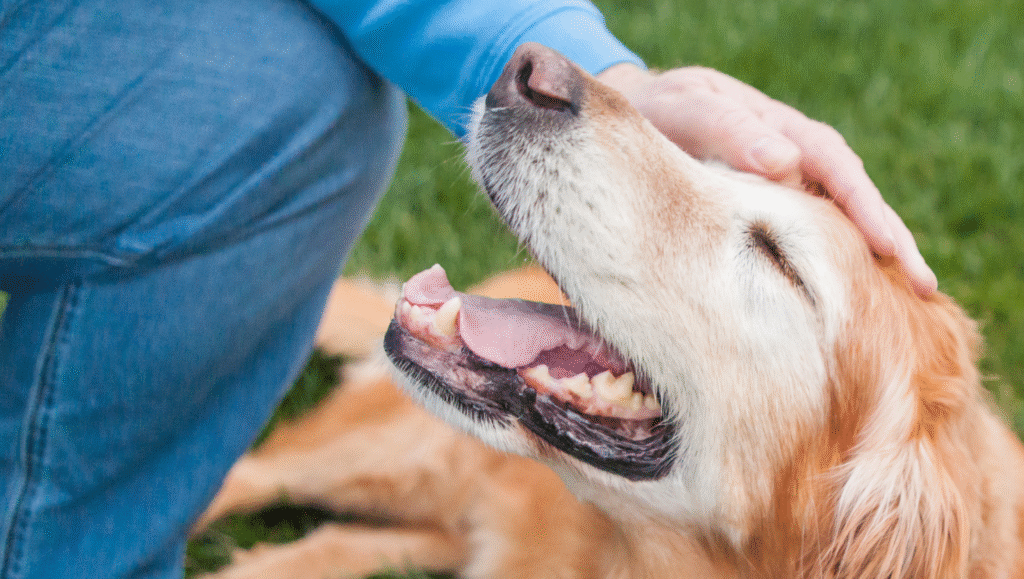
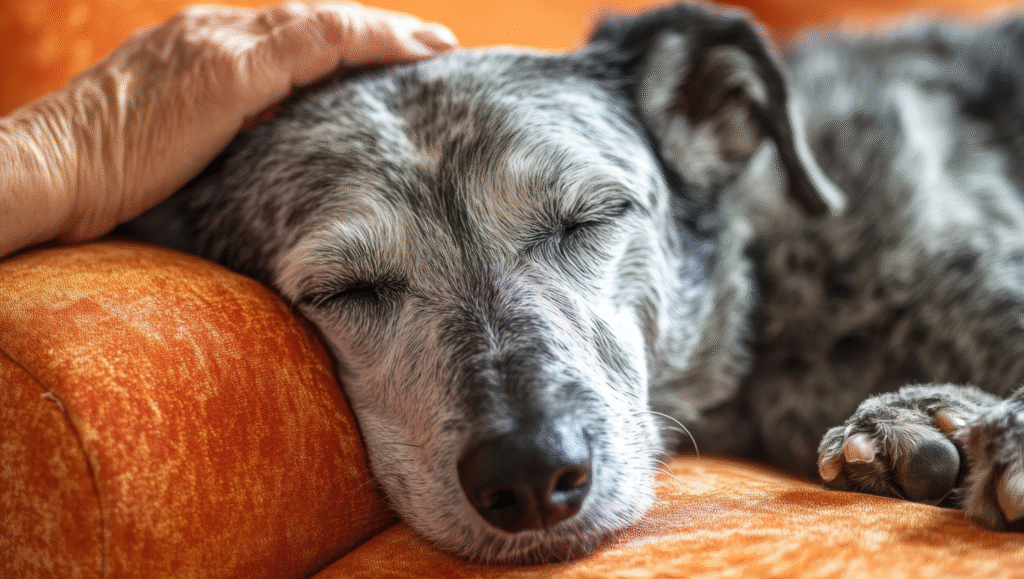
As dogs and cats age, their bodies become less resilient. Organs like the liver, kidneys, lungs, and immune system don’t detoxify chemicals as efficiently as they once did. That means everyday cleaning products—often overlooked—can place extra stress on senior pets and worsen conditions like arthritis, respiratory disease, kidney issues, allergies, or cognitive decline.
The goal isn’t a sterile home. It’s a safer, lower-toxin environment that supports comfort, longevity, and quality of life.
Use this checklist to gradually replace risky products and routines with senior-pet-safe alternatives.
🚫 First: What to Remove or Limit
If you do nothing else, start here.
❌ Bleach-based cleaners
❌ Ammonia (especially in floor and bathroom cleaners)
❌ Artificial fragrances (including “fresh linen” scents)
❌ Disinfectant sprays used daily or without ventilation
❌ Plug-in air fresheners and scented candles
❌ Aerosol sprays
❌ Antibacterial products for routine cleaning
Why this matters for seniors:
Older pets spend more time resting on floors, groom themselves more frequently, and often have compromised respiratory or kidney function—making chemical exposure more impactful.
Floors & Surfaces (Top Priority)
Senior pets are in constant contact with floors.
Checklist:
– Clean floors when pets can be in another room
– Allow surfaces to fully dry before letting pets walk or lie down
– Avoid “no-rinse required” claims unless ingredients are disclosed
– Spot-clean accidents instead of whole-room chemical use
Safer Choices:
– Warm water + mild unscented castile soap
– Vinegar + water (avoid soaking paws afterward)
– Fragrance-free floor cleaners
– Steam mops (no added chemicals)
Pet Beds, Blankets & Soft Surfaces
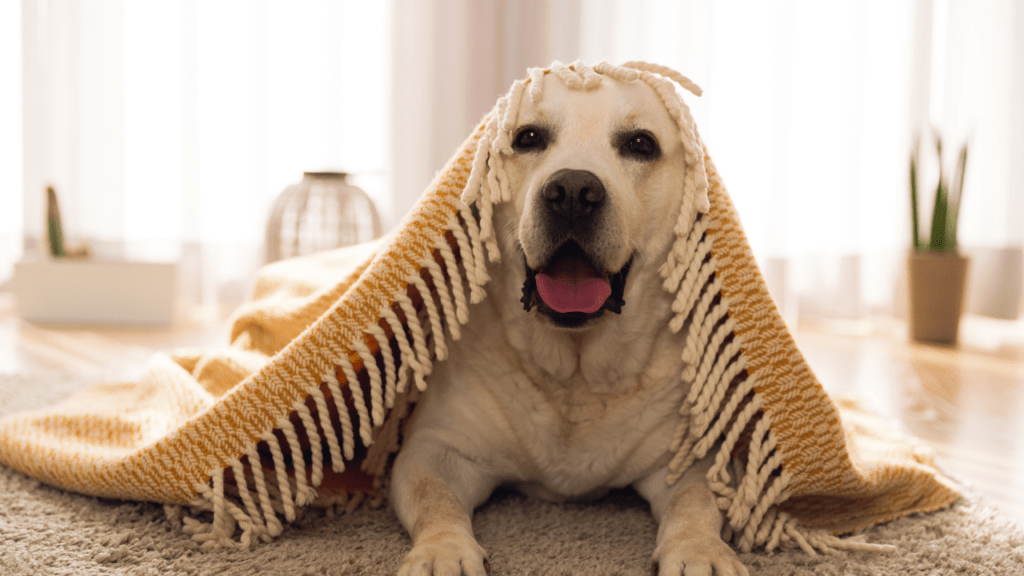
Senior pets sleep more—and absorb more through prolonged contact.
Safer Laundry Practices:
– Unscented, dye-free detergents
– Skip fabric softeners and dryer sheets
– Use wool dryer balls instead
– Extra rinse cycle if possible
Checklist:
-Air-dry when possible to reduce residue
-Wash pet bedding weekly
-Avoid “odor-eliminating” laundry products
Air Quality & Odor Control
Senior pets’ lungs are more sensitive—and cats in particular are highly vulnerable.
Replace With:
– Open windows when weather allows
– HEPA air purifiers
– Activated charcoal or baking soda for odors
– Regular washing instead of masking smells
Checklist:
– Remove plug-ins and sprays
– Avoid essential oil diffusers (especially with cats)
– Ventilate after cleaning
– Clean HVAC filters regularly
Disinfecting (When Truly Needed; disinfecting has its place—but shouldn’t be daily)
Senior-Safer Practices:
– Use hot water and soap first
– Disinfect only high-risk areas (vomit, diarrhea, illness)
– Choose hydrogen peroxide–based or alcohol-based wipes
– Spot-clean instead of whole-room spraying
Checklist:
– Rinse surfaces pets contact directly
– Disinfect only when medically necessary
– Follow exact dilution instructions
🐾 Final Gentle Reminders
- Non-toxic doesn’t mean “never clean”—it means clean smarter
- Progress matters more than perfection
- Senior pets benefit most from consistency, calm, and clean air
- When in doubt, less fragrance and fewer ingredients are safer
Quick Senior-Pet Cleaning Rule

If you wouldn’t want it on your bare skin or lungs every day, your aging pet probably shouldn’t be exposed to it either.