As our furry friends grow older, their needs change—but with a little extra care, senior dogs can enjoy a comfortable, joyful life. From nutrition and exercise to health checks and mental stimulation, understanding their unique needs is key to keeping them happy and healthy.
Signs Your Dog is Entering Their Senior Years
Dogs age differently depending on their breed and size, but common signs include:
- Slower movements or reluctance to jump
- Stiffness or joint discomfort
- Changes in sleep patterns
- Weight gain or loss
- Dental issues or reduced appetite
Recognizing these changes early helps you adjust care and prevent discomfort.
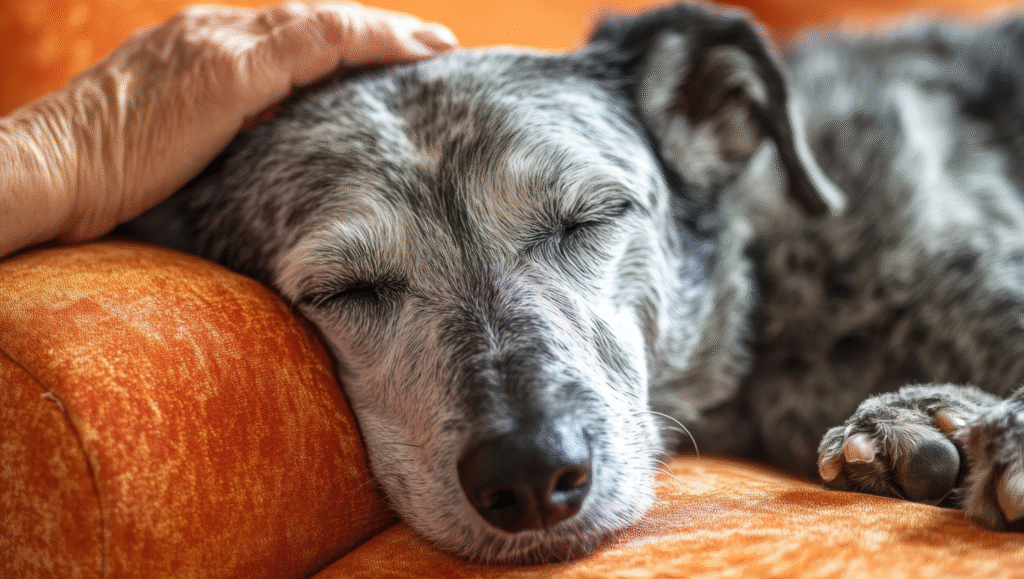
Nutrition: Supporting Senior Dogs Naturally
As dogs enter their golden years, their dietary needs can shift in subtle ways. Many senior dogs seem to prefer gentler, easily digestible foods, and some naturally gravitate toward meals that support joint comfort and overall vitality. Observing what makes your dog feel energetic and content can be just as important as what’s on their plate.
Some owners notice that adding variety—like different textures, flavors, or occasional natural supplements—can make mealtime more enjoyable. Paying attention to how your dog responds to their food, noticing changes in appetite or digestion, and embracing foods that seem to nourish them holistically can make a meaningful difference in their quality of life.
Nutrition in senior dogs often becomes a balance of comfort, enjoyment, and well-being, rather than simply following strict rules.
Exercise: Keeping Them Active Safely
Even older dogs need movement, but their routines should be gentle:
- Short, frequent walks instead of long, strenuous ones
- Gentle play sessions
- Low-impact activities
Avoid activities that strain joints or exacerbate arthritis, and tailor exercise to your dog’s energy levels.
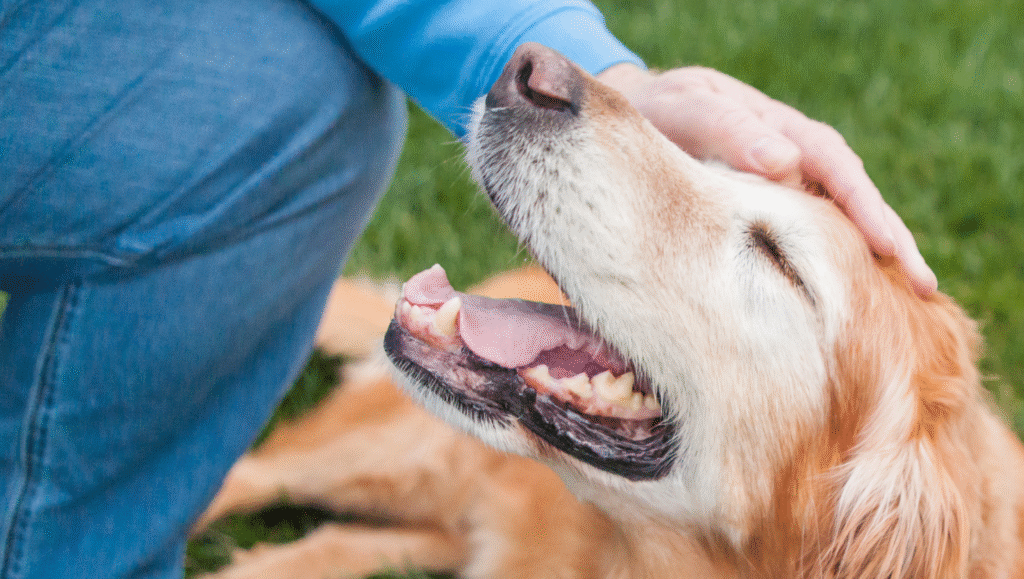
Health Checks: Staying Ahead of Common Senior Dog Issues
Regular veterinary visits are crucial. Senior dogs are prone to:
- Arthritis and joint problems
- Dental disease
- Kidney, liver, or heart conditions
- Vision or hearing loss
- Cognitive decline
Early detection of these issues allows for more effective management and a better quality of life.
Comfort at Home: Creating a Senior-Friendly Environment
Small adjustments at home make a big difference:
- Orthopedic beds for joint support
- Ramps or non-slip mats for easier movement
- Elevated food and water bowls
- Quiet spaces for rest away from younger, energetic pets

Mental Health: Keeping Their Mind Sharp
Mental stimulation is just as important as physical exercise for senior dogs. Activities that engage the brain can slow cognitive decline and reduce stress:
- Puzzle toys and treat-dispensing games challenge problem-solving skills
- Snuffle mats encourage natural foraging behavior. Hide treats in the fabric layers and let your dog sniff and search—it’s fun and mentally enriching!
- Training sessions or new tricks help keep the mind active and strengthen your bond
- Gentle socialization with calm dogs or humans provides mental enrichment
Incorporating these activities into your dog’s routine helps keep them alert, happy, and engaged.
Emotional Support: Love and Patience
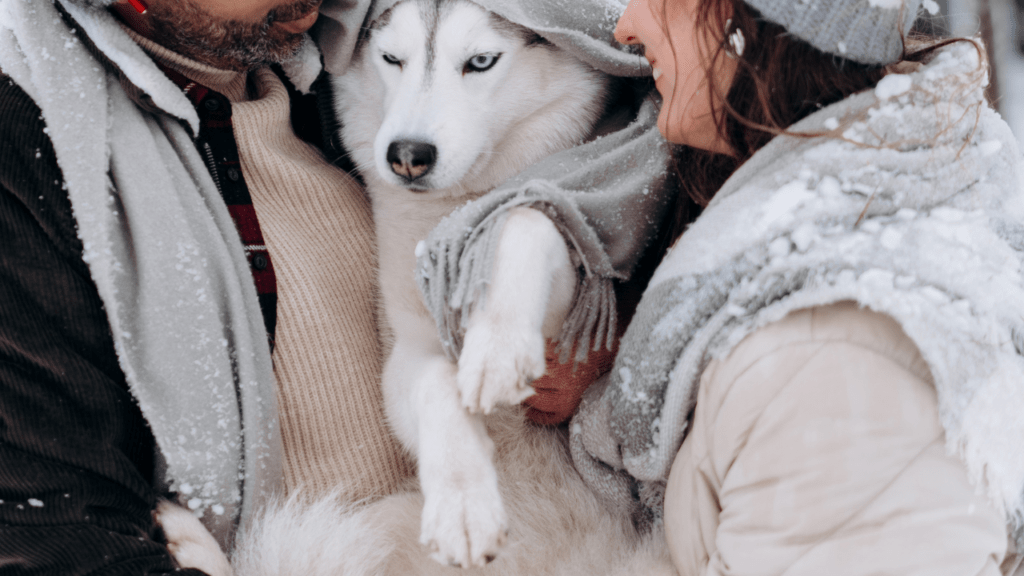
Senior dogs often thrive on routine, reassurance, and affection. Spending quality time, offering gentle touch, and maintaining consistency can reduce anxiety and make your dog feel safe and loved.
In the End, It’s Simple
Aging is a natural part of life, but with mindful care, senior dogs can live full, joyful years. By paying attention to their physical, mental, and emotional needs, you ensure their golden years are truly golden.